Furnaces are an essential component in both residential and industrial settings, providing reliable heat and enabling a wide range of manufacturing processes. From heating homes during cold seasons to facilitating metal processing in factories, furnaces play a critical role in modern life. Their design, efficiency, and functionality have evolved significantly over time, making them more energy-efficient, environmentally friendly, and versatile.
In this article, we will explore the different types of furnaces, their applications, key components, and how to choose the right system for your needs.
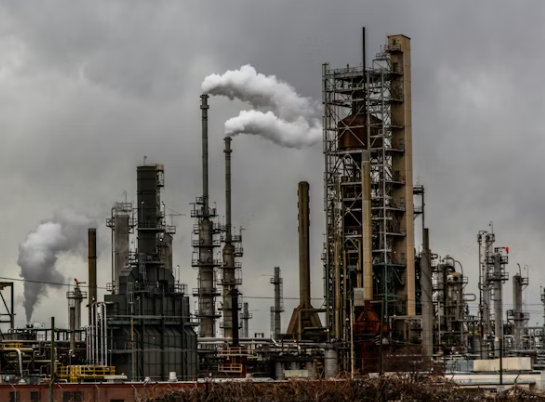
What are furnaces?
Furnaces are heating devices designed to generate and distribute heat for various purposes. They operate by burning fuel or using electricity to produce heat, which is then transferred to air, water, or materials.
Basic working principle
The operation of furnaces generally involves:
- heat generation through fuel combustion or electrical energy
- heat transfer via air, liquid, or direct contact
- temperature control through thermostats or automation systems
Types of furnaces
Gas furnaces
Gas furnaces are among the most common in residential use. They burn natural gas or propane to produce heat.
Electric furnaces
These use electrical resistance to generate heat and are often used where gas is not available.
Oil furnaces
Oil furnaces burn heating oil and are commonly found in older systems or rural areas.
Industrial furnaces
Used in manufacturing, these include:
- blast furnaces
- induction furnaces
- muffle furnaces
Applications of furnaces
Residential heating
Furnaces are widely used to heat homes, especially in colder climates.
Industrial processes
In industries, furnaces are used for:
- metal smelting
- heat treatment
- ceramic production
Commercial use
Large buildings such as offices and malls rely on furnaces for heating.
Key components of furnaces
Burner
Responsible for fuel combustion in gas or oil furnaces.
Heat exchanger
Transfers heat from the combustion process to the air or material.
Blower
Distributes heated air throughout the space.
Thermostat
Controls temperature and system operation.
Energy efficiency
AFUE rating
Annual Fuel Utilization Efficiency (AFUE) measures how efficiently a furnace converts fuel into heat.
Modern improvements
Newer furnaces feature:
- condensing technology
- variable-speed blowers
- smart thermostats
Environmental impact
Energy-efficient furnaces reduce emissions and energy consumption.
Choosing the right furnace
Size and capacity
Selecting the correct size ensures efficient heating without energy waste.
Fuel type
Depends on availability and cost in your area.
Installation cost
Includes equipment, labor, and additional components.
Maintenance requirements
Regular servicing is essential for optimal performance.
Installation process
Assessment
A professional evaluates the space and heating needs.
System selection
Choosing the appropriate furnace type and size.
Installation
Includes ductwork, connections, and system setup.
Testing
Ensures the system operates safely and efficiently.
Maintenance and longevity
Regular inspections
Helps detect issues early.
Filter replacement
Improves air quality and efficiency.
Cleaning
Prevents buildup that can reduce performance.
Lifespan
Most furnaces last 15–20 years with proper care.
Common problems and solutions
Uneven heating
Often caused by blocked ducts or faulty blowers.
Strange noises
May indicate mechanical issues.
High energy bills
Could result from inefficiency or poor maintenance.
Advantages of modern furnaces
Efficiency
Higher efficiency reduces energy costs.
Comfort
Consistent and reliable heating.
Technology integration
Smart controls improve usability.
Furnaces vs alternative heating systems
Heat pumps
More energy-efficient in mild climates.
Boilers
Use water instead of air for heat distribution.
Radiant heating
Provides even heat but can be costly to install.
Future trends in furnace technology
Smart systems
Integration with home automation.
Eco-friendly solutions
Reduced emissions and sustainable fuels.
Advanced materials
Improved durability and performance.
Conclusion
Furnaces remain a vital part of both residential and industrial heating systems. Their versatility, efficiency, and continuous technological advancements make them a reliable choice for various applications. Whether you are heating a home or running an industrial operation, understanding the different types and features of furnaces can help you make an informed decision.
By choosing the right system, maintaining it properly, and staying updated on new technologies, you can ensure long-term performance, energy savings, and comfort.